Choosing Plants
Non-Toxic Houseplants That Are Safe for Dogs
A vetted list of non toxic indoor plants for dogs, cross-checked against the ASPCA database, plus the common houseplants you should keep well out of reach.
Disclosure: The Plant Pages is reader-supported. Some pages include ads and affiliate links, and we may earn a commission from qualifying purchases, at no extra cost to you.
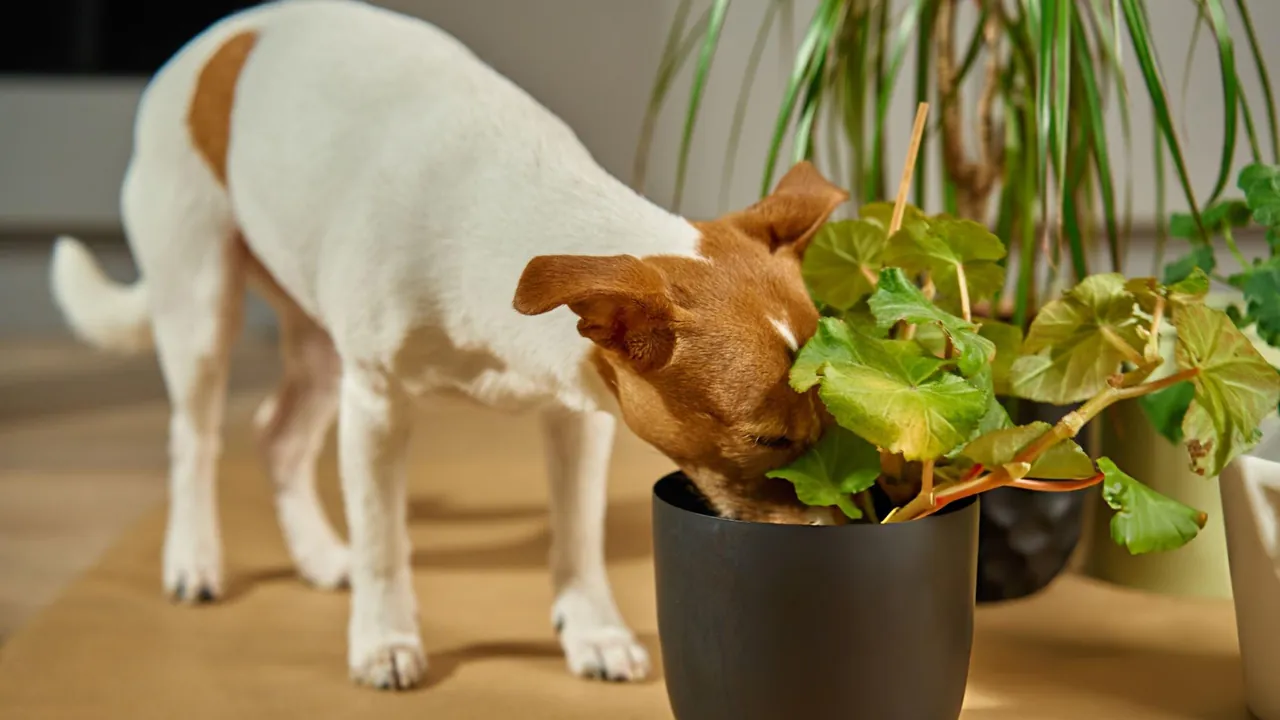
If you share your home with a dog who likes to nose around the foliage, you don’t have to give up houseplants. You just have to choose them carefully. Quick answer: the safest non-toxic indoor plants for dogs include the spider plant, calathea, true prayer plant, parlor palm, ponytail palm, Boston fern, peperomia, areca palm, African violet, and money tree, all of which the ASPCA lists as non-toxic to dogs (and almost all to cats too). The plants to keep away are the common ones that are genuinely toxic: peace lily, pothos, philodendron, monstera, ZZ plant, snake plant, aloe, and dieffenbachia. Below I’ll go through both lists and explain what “non-toxic” really means.
How we vetted this list
Every plant on the safe list below appears in the ASPCA’s Toxic and Non-Toxic Plants database, which is the reference most veterinarians point to. we cross-checked each entry by its botanical (Latin) name rather than its common name, because common names are slippery: several unrelated plants get called a “prayer plant,” and “palm” covers both safe and unsafe species. When you buy a plant, the Latin name on the tag is what tells you whether it’s the safe one.
A quick but important point on what “non-toxic” means. It does not mean a plant is food. It means the plant is not expected to poison your dog if chewed or swallowed. A dog that eats a mouthful of any plant can still vomit or get diarrhea, both from the plant fiber and from anything on it: potting soil, fertilizer salts, or pesticide residue. So treat “non-toxic” as “safe to have in the room,” not “safe to let the dog graze on.”
The pet-safe picks
Here are ten houseplants that are widely available, attractive, and listed as non-toxic to dogs. For most of them the ASPCA also lists them as non-toxic to cats, noted where it applies.
Spider plant (Chlorophytum comosum). Arguably the best starter plant for a pet home: tough, fast-growing, forgiving of low light and missed waterings, and non-toxic to both dogs and cats. The dangling plantlets are tempting to bat at, so hang it or set it on a shelf if your dog likes to chew. If you want the full routine, here’s our guide on how to care for a spider plant.
Calathea (Calathea and Goeppertia species). Grown for their boldly patterned leaves, calatheas are non-toxic to dogs and cats. They ask for more humidity and steadier watering than a spider plant, so they suit someone who enjoys a bit of fuss. If the patterned foliage appeals to you, our calathea care guide covers the humidity and water-quality quirks.
True prayer plant (Maranta leuconeura). The original “prayer plant,” named for the way its leaves fold up at night. It’s non-toxic to dogs and cats and stays low and trailing, which makes it a good hanging-basket choice that keeps the foliage off the floor.
Parlor palm (Chamaedorea elegans). A genuinely pet-safe palm, non-toxic to dogs and cats, and one of the few palms that thrives in lower indoor light. It grows slowly into a soft, feathery clump and tolerates the average living room.
Ponytail palm (Beaucarnea recurvata). Despite the name it isn’t a true palm; it’s a succulent-like plant with a swollen base that stores water, so it shrugs off the occasional missed watering. The ASPCA lists it as non-toxic to dogs and cats. The arching, strappy leaves can look like a chew toy to a curious dog, so place it where it won’t be a temptation.
Boston fern (Nephrolepis exaltata). A classic, lush fern that’s non-toxic to dogs and cats. It wants consistent moisture and decent humidity, so a bright bathroom suits it well. Note that “fern” is another loose common name: some plants sold as ferns are unrelated and not all are safe, so check the Latin name.
Peperomia (Peperomia species). A large group of compact, easy-care plants with thick, often glossy leaves. The commonly sold peperomias are listed as non-toxic to dogs and cats. They stay small, which makes them handy for shelves and desks out of a dog’s reach.
Areca palm (Dypsis lutescens, also sold as Chrysalidocarpus lutescens). A larger, floor-standing palm that reads as a small indoor tree. It’s non-toxic to dogs and cats and brings real height to a room without the toxicity worry that comes with many big-leaf statement plants.
African violet (Saintpaulia, now classified as Streptocarpus). A small flowering houseplant that blooms on a sunny windowsill and is non-toxic to dogs and cats. It’s a good way to get color into a pet-safe collection that’s otherwise all foliage.
Money tree (Pachira aquatica). The braided-trunk plant you see in offices and gift shops. It’s generally considered non-toxic to cats and dogs and is forgiving once you nail the watering. We have a full walkthrough on caring for one if you want to add it to a pet-safe room.
A general placement note for all ten: even with safe plants, keep fallen leaves swept up and avoid letting your dog dig in the pots. Cocoa-bean and some other mulches are toxic, and chemical fertilizers and pesticides can upset a stomach regardless of which plant they’re on.
Common houseplants to keep away from dogs
This is the half of the article that actually protects your dog. Several of the most popular, most Instagrammed houseplants are toxic, and a few are sold side by side with the safe picks above. None of these belong within reach of a dog that chews plants.
The good news is that most of them are toxic in a similar, manageable way. Many contain insoluble calcium oxalate crystals, which are needle-like and cause immediate irritation: intense mouth and tongue pain, drooling, pawing at the mouth, and vomiting. That irritation is genuinely unpleasant but usually self-limiting, and the burning sensation tends to stop a dog from eating very much. The bigger risks are a dog that swallows a large amount anyway, or rare swelling of the airway. Others on this list contain saponins, which mainly cause stomach upset.
Peace lily (Spathiphyllum). Contains insoluble calcium oxalate crystals. Chewing causes oral irritation, drooling, and vomiting. Despite the “lily” name it is not a true lily, so it doesn’t carry the severe kidney risk that true lilies pose to cats, but it’s still firmly on the toxic list for dogs. If yours is drooping, our guide on why a peace lily droops can help, but keep it out of a chewing dog’s reach regardless.
Pothos (Epipremnum aureum). Also called devil’s ivy. Insoluble calcium oxalates again, with the same mouth-irritation and vomiting pattern. Pothos is sold everywhere and trails enticingly off shelves, which is exactly the problem in a dog home.
Philodendron (Philodendron species). A big family of climbing and upright plants, all carrying insoluble calcium oxalate crystals. The symptoms mirror pothos and peace lily. Heart-leaf philodendron in particular gets sold as an easy beginner plant, so it’s an easy one to bring home by mistake.
Monstera (Monstera deliciosa). The fashionable split-leaf plant, sometimes mislabeled “split-leaf philodendron.” Insoluble calcium oxalates, same irritation and drooling. Its large, low leaves are easy for a dog to reach.
ZZ plant (Zamioculcas zamiifolia). Contains insoluble calcium oxalate crystals throughout. It causes the familiar mouth irritation and stomach upset if chewed. The myth that the ZZ plant is dangerously poisonous to touch is false, but eating it is genuinely irritating, so keep it up high.
Snake plant (Dracaena trifasciata, formerly Sansevieria). Toxic to dogs (and cats) due to saponins, causing nausea, vomiting, and diarrhea. It’s often recommended as “unkillable,” which it is for the grower, but it is not a pet-safe pick.
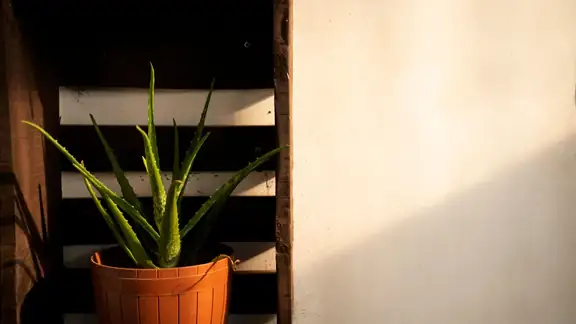
Aloe (Aloe vera). The medicinal succulent is toxic to dogs. The compounds in the leaf, including saponins and anthraquinones, can cause vomiting, lethargy, and diarrhea. Keep it well out of reach despite its first-aid reputation for humans.
Dieffenbachia (Dieffenbachia species). Sometimes called dumb cane. One of the more irritating oxalate-bearing plants: chewing can cause intense oral pain, heavy drooling, and, in larger amounts, swelling that affects swallowing. Treat this one with particular caution around dogs.
If you already own one of these and your dog ignores plants entirely, the practical move is height: shelves, plant hangers, or a room the dog doesn’t access. If your dog is a determined chewer, the safer call is to rehome the toxic plants and lean on the safe list above.
What “non-toxic” does and doesn’t promise
It’s worth repeating because it causes real confusion. A plant being on the non-toxic list means it won’t poison your dog. It does not mean your dog can eat it without any reaction. Plant fiber, soil, fertilizer, and pesticide residue can all cause mild vomiting or loose stools, and a dog with a sensitive stomach may react to a safe plant. So the goal in a pet home isn’t to find plants a dog can graze on; it’s to remove the genuinely dangerous ones and discourage chewing on the rest.
Two other habits help. First, buy from sources that don’t treat plants with systemic pesticides, or at least rinse and repot new plants before they share a room with your dog. Second, keep the ASPCA list handy and check any new plant by its Latin name before it comes home, since a confident-sounding common name on a shop tag is not a guarantee.
If your dog eats a plant you think is toxic
Act calmly and quickly. Remove any plant material from your dog’s mouth and look around to estimate how much was eaten. Note the plant’s name, ideally the Latin name from the tag, and take a photo of the plant if you’re unsure what it is.
Then call for guidance right away rather than waiting for symptoms. Your own veterinarian is the first call during opening hours. Around the clock, the ASPCA Animal Poison Control Center is reachable at (888) 426-4435; a consultation fee may apply. The Pet Poison Helpline at (855) 764-7661 is another option. Do not try to make your dog vomit unless a professional specifically tells you to, since that can do more harm than good with certain irritants.
For the oxalate plants above, the mouth pain usually discourages a dog from eating much, and mild cases often settle with monitoring and rinsing the mouth. But amount, your dog’s size, and any breathing or swallowing trouble all change the picture, which is exactly why a quick call beats guessing.
A simple plan for a dog-friendly plant room
If you’re starting from scratch, build the room around the safe list. A spider plant or two for easy greenery, a parlor palm or areca palm for height, a calathea or prayer plant for pattern, and an African violet for a bit of bloom will give you a full, varied room with nothing on the floor that can poison your dog. Add a peperomia or a Boston fern as you get comfortable.
If you’re working with plants you already own, sort them into three piles using the ASPCA database: keep at floor level (safe), move up high (toxic but worth keeping out of reach), and rehome (toxic plus a dog who reliably chews). That triage, plus a habit of checking every new plant’s Latin name before it crosses the threshold, is the whole job. Do it once and your collection and your dog can coexist without drama.