Watering
How Often to Water an Aloe Vera Plant
How often to water an aloe vera plant: roughly every 2 to 3 weeks, only once the soil is fully dry. Tests, the soak-and-dry method, and overwatering signs.
Disclosure: The Plant Pages is reader-supported. Some pages include ads and affiliate links, and we may earn a commission from qualifying purchases, at no extra cost to you.
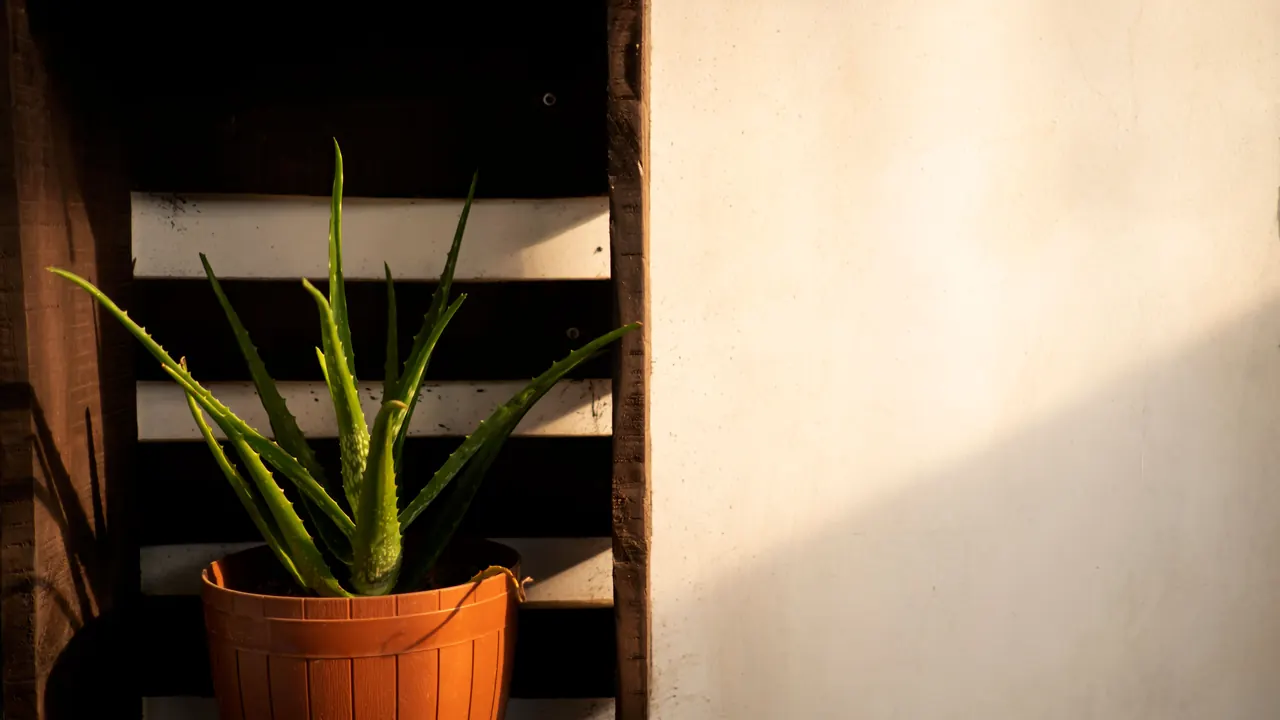
If your aloe vera is looking unhappy, the cause is almost always the watering can rather than neglect. This is a desert succulent that stores its own water supply in those plump leaves, so it asks for far less than a typical leafy houseplant. Quick answer: water a potted aloe vera roughly every 2 to 3 weeks, and only once the soil is dry all the way down to the bottom of the pot. When you do water, soak it thoroughly and let every drop drain away, then leave it alone until it dries out again. In winter it needs much less, sometimes only monthly. The single fastest way to kill an aloe is overwatering, so when in doubt, wait.
The short answer, and why aloe needs so little
For most homes the honest rule of thumb is every two to three weeks in the warm growing months, stretching to once a month or even less through winter. But notice that those numbers are a starting point, not a schedule to set on your phone. The real instruction is simpler: water only when the soil has gone completely dry, then water deeply.
The reason aloe drinks so rarely comes down to where it evolved. Aloe vera is a succulent native to dry, sun-baked regions, and like other succulents it survives long droughts by hoarding moisture inside its leaves. That thick, gel-filled flesh is a built-in reservoir. When you keep the soil constantly moist, you are giving the plant water it has no way to use, and the excess simply sits around the roots and starves them of air.
This is the same trap that catches a surprising number of houseplant owners. The instinct to be generous with water is exactly backwards for a plant like this. If you have read our money tree care guide, the lesson rhymes: there too, overwatering is the number one killer, and the cure is patience between drinks rather than more frequent ones. The same goes for any leaf-succulent that hoards its own water, which is why the schedule for how often to water a jade plant stretches out in exactly the same way.
How much water to give an aloe each time
The quantity question has a simple answer: be generous each time, and stingy with how often. There is no cup measurement to memorize, since pot size determines how much a full soak takes. Use the drainage hole as your gauge instead: once water runs out the bottom, the entire root ball has been wetted and you can stop pouring.
The common mistake runs the other way: frequent small sips. A splash every few days only wets the top layer, leaving the deeper soil half-damp at best, and that constant surface moisture is exactly the condition that invites rot. Generous but rare is the rule.
How to actually tell when it is time
The biggest mistake is judging by the surface. The top inch of soil dries out within a day or two while the deeper soil, where the roots actually live, can stay damp for a week or more. Water based on what the surface tells you and you will water far too often.
Here are three reliable ways to check the soil where it counts.
- The finger or skewer test. Push a finger as deep as it will go, or better, slide a long wooden skewer or a chopstick down to the bottom of the pot and pull it out. If it comes up clean and bone dry, the plant is ready. If it comes up cool, dark, or with soil clinging to it, wait.
- The lift-the-pot weight test. Pick up the pot right after you water and again a week later. Wet soil is heavy and dry soil is surprisingly light. Once you learn the difference by feel, hefting the pot becomes the fastest moisture check you have, no tools needed.
- Read the leaves. A well-hydrated aloe has firm, plump leaves. When the plant is genuinely thirsty, the leaves soften slightly, thin out, and may take on a faint pucker. This is your safety net: a slightly thirsty aloe is in no danger, so it is fine to wait for this signal before reaching for the watering can.
If you would rather not judge by feel, an inexpensive moisture meter pushed to the base of the pot takes the guesswork out, though the free skewer trick works just as well.
The soak-and-dry method, step by step
Succulents like aloe do best with a watering style called soak and dry: you flood the soil completely, then let it dry out fully before the next drink. This mimics the occasional heavy desert rain followed by a long dry spell, which is exactly what the plant is built for. Shallow sips that only wet the top layer encourage shallow roots and leave the deep soil in an unhealthy half-damp state. The same check-then-soak discipline drives how often to water a money tree, even though that plant drinks on a shorter cycle.
Here is the routine:
- Wait until the soil is dry all the way to the bottom, confirmed by the skewer or weight test above.
- Water slowly and thoroughly at the soil surface until water runs freely from the drainage hole. You want the entire root ball wetted, not just the center.
- Let the pot drain completely. Tip out the saucer and never let the pot stand in collected water, which is one of the quickest routes to rot.
- Put it back in its spot and leave it alone. Do not water again on any schedule. Start checking the soil again in a couple of weeks, and only water when it has gone fully dry once more.
That cycle, deep soak then full dry-out, is the whole game. Get it right and aloe is nearly impossible to kill.
What changes the frequency: season, light, pot, and soil
The two to three week guideline assumes average indoor conditions, but four factors push the timing up or down, which is exactly why the soil test beats any fixed calendar.
Season. This is the biggest lever. Through spring and summer the plant grows actively, the light is stronger, and the soil dries quickly, so waterings come closer together. In fall and winter growth slows to a crawl and the soil stays damp far longer; many people go four to six weeks between drinks in the coldest months. Keep watering on the summer rhythm through winter and you will drown the plant.
Light. An aloe on a bright, sunny windowsill transpires faster and dries its soil sooner than the same plant in a dimmer room. More light generally means more frequent watering, and less light means you should stretch the gaps and watch carefully for sogginess.
Pot material and size. Terracotta is porous and wicks moisture out through its walls, so soil in a clay pot dries noticeably faster than soil in plastic or glazed ceramic. A large pot holds a big volume of soil that the roots cannot drink through quickly, keeping things wet for a long time, while a snug pot dries out sooner. This is one reason an oversized pot is a common cause of aloe rot.
Soil mix. A fast-draining gritty mix dries out in days; a dense, moisture-holding potting soil can stay wet for weeks. Two identical aloes can need watering on completely different timelines purely because of what they are potted in. More on that below.
Because all four shift the math, the takeaway holds: test the soil and water to its actual dryness, not to a number on the calendar.
Signs of overwatering versus underwatering
Reading the symptoms tells you which way you have erred, and the two problems look quite different once you know what to watch for.
Overwatering is the dangerous one. The classic signs are leaves that turn soft and mushy, look translucent or water-soaked, yellow, or go brown and soft rather than crisp. The trouble often starts low: the base of the plant and the lowest leaves go soft, mushy, or brown, and in bad cases the whole plant loosens in the soil because the roots have rotted away beneath it. A sour smell from wet soil is another red flag. Overwatering and the root rot it causes can kill an aloe quickly, so if you see mushy, translucent leaves, stop watering at once, let the soil dry out completely, and check the roots and base for soft, dark rot.
Underwatering is far gentler and easy to reverse. A thirsty aloe shows thin, flat leaves that may curl inward, pucker, or wrinkle, and the soil will be bone dry. They feel softer in a dry, deflated way rather than the wet, collapsing softness of rot. The fix is simply a thorough soak, after which the leaves usually plump back up within days. Because this plant recovers from a missed drink so easily but struggles to survive soggy roots, erring on the dry side is always the safer bet.
The quick way to tell them apart by touch: rot-soft leaves are wet, squishy, and discolored, while thirst-soft leaves are dry, thin, and wrinkled. When unsure, the safer move is almost always to wait.
The right soil and pot make watering easy
Half the battle of watering aloe correctly is won before you ever pick up the watering can, by getting the soil and pot right so excess water can leave fast.
For soil, use a gritty cactus and succulent mix, which you can buy ready-made. If you only have regular potting soil, cut it with a generous amount of perlite, pumice, or coarse sand, aiming for something closer to half grit so it drains quickly and never stays sodden. A dense, water-retentive mix keeps the roots wet long after you water and sets the stage for rot.
For the pot, two things are non-negotiable. First, it must have a drainage hole; a pot without one traps water at the bottom where you cannot see it, and aloe will not tolerate that for long. Second, terracotta is the ideal material. Because clay is porous, it lets moisture evaporate through the walls and helps the soil dry out faster, which is exactly what a rot-prone succulent wants. Glazed ceramic and plastic work too, but you will need to be more patient between waterings since they hold moisture longer. Match the pot size to the plant rather than going big: a snug pot dries out at a healthy pace, while a cavernous one stays wet too long.
The bottom-watering option
If you struggle to wet the whole root ball evenly from the top, or your mix is so gritty that water runs straight through without soaking in, bottom watering is a tidy alternative. Set the pot in a sink, tray, or bowl holding a couple of inches of water and let the soil draw moisture up through the drainage hole. Leave it for ten to fifteen minutes, until the top of the soil feels just moist, which tells you the water has wicked all the way up.
Then, and this part matters, lift the pot out and let it drain fully before returning it to its spot. Never leave an aloe standing in that reservoir. Bottom watering changes how you deliver the water, not how often: you still wait for the soil to go fully dry before the next session.
A quick note on watering after repotting
Repotting is the one time to deliberately delay watering. When you move an aloe to fresh soil you almost always disturb and nick the roots, and watering right away lets those small wounds sit in damp soil where they can rot. Instead, repot into dry or barely-damp mix and then wait about a week before the first watering, giving the cut roots time to callus over and the plant time to settle. After that initial pause, simply pick the normal soak-and-dry rhythm back up.
The same caution applies if you have just unpotted a plant to trim rotten roots: let it dry and recover in fresh, gritty soil before watering normally again.
Common watering mistakes to avoid
A few habits cause the majority of aloe deaths, and all of them trace back to too much water sitting too long.
- Watering on a fixed schedule. “Every Sunday” ignores how dry the soil actually is. Always test first.
- Letting the pot sit in a saucer of water. Tip it out every time. Standing water rots roots within days.
- Constantly damp soil. Beyond rotting the plant, perpetually wet topsoil breeds fungus gnats; if you are already battling those tiny black flies, our guide on how to get rid of fungus gnats covers the fix, and watering less is a big part of it.
For a reliable horticultural reference on this species and its care, the Missouri Botanical Garden’s plant finder entry for Aloe vera is a solid, citation-worthy source.
The bottom line
Water a potted aloe vera roughly every two to three weeks in the warm months and much less in winter, but treat those numbers as a loose guide rather than a rule. The real method never changes: wait until the soil is dry all the way down, soak it thoroughly, let it drain completely, and then leave it be. Pot it in gritty, fast-draining soil in a terracotta pot with a drainage hole, lean toward underwatering whenever you are unsure, and your aloe will stay plump, firm, and green for years with almost no fuss.