Troubleshooting
Why Is My Peace Lily Drooping?
Why is my peace lily drooping? Usually thirst, sometimes overwatering, light, cold, or being rootbound. Learn to tell them apart and fix the real cause fast.
Disclosure: The Plant Pages is reader-supported. Some pages include ads and affiliate links, and we may earn a commission from qualifying purchases, at no extra cost to you.
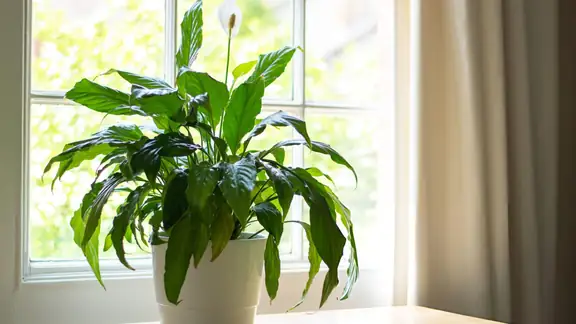
A peace lily wilting dramatically over the side of its pot looks like an emergency, but most of the time it is the plant’s normal, almost theatrical way of asking for a drink. Quick answer: the most common reason a peace lily droops is thirst, and a thirsty one usually perks back up within a few hours of a thorough watering. The trick is to check the soil first: if it is dry, water and watch it recover; if it is wet, you are likely looking at overwatering and the early stages of root rot, which is the more dangerous of the two. Less often, harsh direct light, cold drafts, or a rootbound pot are behind the wilt. Below I’ll show you how to read the droop and fix the real cause.
First, read the soil before you do anything
A drooping peace lily sends nearly identical body language whether it is bone-dry or drowning, so the leaves alone will mislead you. The single most useful thing you can do is push a finger 2 inches into the soil before you reach for the watering can.
- Dry at 2 inches with a droop: almost certainly thirst. Water it and move on.
- Wet or muddy at 2 inches with a droop: almost certainly overwatering. Do not add more water.
That one check separates the two opposite problems that account for the large majority of drooping peace lilies. Watering a plant that is already waterlogged is how a recoverable wilt turns into dead roots, so resist the reflex to water a sad-looking plant without feeling the soil first.
Thirst: the usual culprit (and the easy fix)
Peace lilies (Spathiphyllum) are unusually expressive about being thirsty. When the soil dries out, the leaves lose turgor and the whole plant collapses outward and downward, often quite suddenly. It can look alarming the first time you see it.
The good news is that this is the harmless version of drooping. Give a thirsty peace lily a proper soak and it typically firms back up within a couple of hours, with a full recovery inside a day. Watching the leaves rise again is one of the more satisfying moments in houseplant keeping.
How to water it well:
- Take the plant to the sink and water thoroughly until it runs freely from the drainage holes.
- Let it drain completely, then return it to its spot and empty any saucer so it never sits in standing water.
- If the soil had pulled away from the sides of the pot, see the watering-resistant section below, because water may have run down the gap instead of soaking in.
A peace lily that wilts every few days, then recovers on watering, is technically fine but is being stressed each time. Repeated severe wilting can brown the leaf tips over time. The fix is to water a little sooner, before the dramatic collapse, by checking the top inch or two and watering when it is dry rather than waiting for the plant to faint.
Overwatering and root rot: the dangerous look-alike
Here is the cruel twist that confuses so many people: an overwatered peace lily also droops. Soggy soil suffocates the roots, they begin to rot, and rotten roots can no longer move water up to the leaves, so the plant wilts even though it is sitting in moisture. Adding more water makes it worse.
You are looking at overwatering or rot rather than thirst when you see:
- Soil that is wet, heavy, or muddy when you check it.
- Drooping that comes with yellowing leaves, especially lower ones.
- A sour or musty smell from the soil.
- Mushy, brown or black roots instead of firm, pale, healthy ones.
- No recovery after watering, or a worsening over days rather than hours.
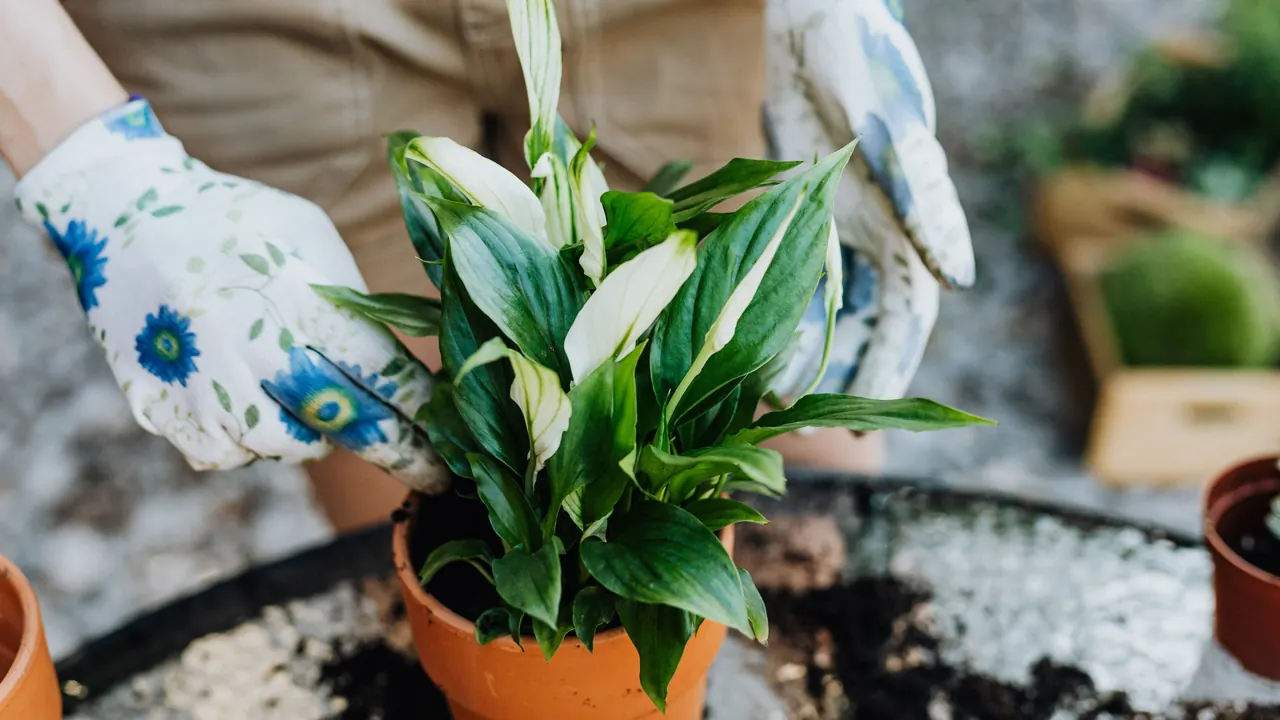
If you suspect rot, stop watering and check the roots. Slide the plant out of its pot and look: healthy roots are firm and whitish, while rotted roots are brown, soft, and may slough off when touched. Trim away any mushy roots with clean scissors, remove the worst of the soggy soil, and repot into fresh, well-draining mix in a pot with drainage holes that is no bigger than it needs to be. Then water sparingly while it rebuilds its root system. Recovery from rot is slower and less certain than recovery from thirst, which is exactly why the soil check up front matters so much.
How to tell thirst from rot at a glance
Because the two share the same wilting posture, it helps to line them up side by side. When your peace lily is drooping, run through this quick comparison.
| Clue | Thirst | Overwatering / root rot |
|---|---|---|
| Soil at 2 inches | Dry | Wet, heavy, muddy |
| Pot weight | Light | Heavy |
| Leaf color | Mostly green | Yellowing, often lower leaves |
| Smell | Normal, earthy | Sour or musty |
| Roots | Firm, pale | Mushy, brown, sloughing |
| After watering | Perks up in hours | No change or worse |
The headline rule is simple: dry soil plus a droop is good news, wet soil plus a droop is bad news. If you remember nothing else, remember that.
Too much light or harsh direct sun
Peace lilies are understory plants that evolved in the filtered light of tropical forests, so they thrive in bright, indirect light and actively dislike harsh, direct sun. A peace lily moved into a hot, sunny window can droop for two linked reasons: the intense sun dries the soil out far faster than usual, and the direct rays stress and can scorch the leaves themselves.
Tell-tale signs that light is the problem include drooping that is worst in the afternoon when the sun is strongest, pale or bleached patches, and crispy brown edges or tips on leaves that catch the most sun. The fix is to move the plant back from the glass into bright but indirect light, or to diffuse a sunny window with a sheer curtain. A spot near an east-facing window, or a few feet back from a brighter south or west one, suits most peace lilies well.
It is worth saying that deep shade is not the answer either. In a genuinely dark corner a peace lily will survive but grow weakly and rarely bloom. You are aiming for the comfortable middle: plenty of light, none of it blasting directly onto the leaves for hours. For the full rundown on getting this and the rest of the routine right, see our complete guide to how to care for a peace lily plant.
Temperature shock and cold drafts
Peace lilies are tropical and have no tolerance for the cold. A plant that suddenly droops after a chilly night, or one that wilts while sitting near a particular spot, may be reacting to temperature rather than water.
Common cold triggers indoors:
- A windowsill where cold radiates off the glass overnight in winter.
- A draft from an exterior door, a gap in a window frame, or an air-conditioning vent.
- A recent move to a cooler room, or a delivery that left the plant out in the cold before it reached you.
Aim to keep a peace lily in the range of roughly 65 to 80°F (18 to 27°C) and away from drafts and cold panes. They start to suffer below about 55°F (13°C). If a cold snap is the cause, move the plant somewhere warmer and more sheltered and give it time; mild chill damage often eases once the conditions steady, though leaves that were badly cold-damaged may yellow and need trimming later.
Rootbound: when the pot can no longer hold a drink
A peace lily that has lived in the same pot for years can become rootbound, meaning the roots have filled the container so completely that there is barely any soil left to hold moisture. When that happens, the plant dries out almost as soon as you water it, so it droops again within a day or two no matter how diligent you are.
Signs your peace lily has outgrown its pot:
- Roots circling the surface or pushing out of the drainage holes.
- Water running straight through the pot without soaking in.
- Soil that dries out remarkably fast, with frequent wilting between waterings.
- A root ball that comes out as a dense, pot-shaped mass of roots with little visible soil.
The remedy is to repot in spring into a container just one size larger, with drainage holes, using a loose, well-draining mix. Going up only one size matters: an oversized pot holds a large volume of wet soil the roots cannot use, which tips you back toward the overwatering problem. Gently tease apart any tightly circling roots before settling the plant in at the same depth it grew before.
Watering-resistant, bone-dry soil
There is one more sneaky cause that masquerades as stubborn thirst. When peat-based potting soil dries out completely, it can become hydrophobic, meaning it repels water rather than absorbing it. You water, the water runs straight down the gap between the shrunken soil and the pot wall, out the drainage holes, and the root ball stays bone-dry. The plant keeps drooping and it looks like watering is not working.
The fix is to rehydrate the soil properly. Set the whole pot in a basin or sink filled with a few inches of room-temperature water and let it sit for 15 to 30 minutes so the soil draws moisture up from the bottom. You will often see the leaves rise as the root ball finally rewets. Let it drain fully afterward, and going forward, water more thoroughly and a little sooner so the mix never bakes hard again.
Recent repotting or a new home
Sometimes a droop is simply adjustment. A peace lily that was recently repotted, divided, or brought home from a store often wilts for a few days as its roots settle and it adapts to new light, temperature, and humidity. Some roots are inevitably disturbed during repotting, and the plant temporarily struggles to draw up water until they recover.
If the droop followed a move or a repot and the soil moisture is reasonable, the best thing you can do is leave it alone in a stable, bright-but-indirect spot, keep it out of drafts, and avoid the urge to fix it with extra water or fertilizer. Most plants right themselves within a week or two. Hold off on feeding a freshly repotted plant for about a month while new roots establish.
Why you should not rely on the droop long term
It is tempting to treat a peace lily as a built-in moisture meter and simply wait for it to flop before watering. Plenty of people do exactly that, and the plant survives. But it is not a habit worth keeping.
Each time a peace lily wilts hard from dryness, it is under real stress. Repeated severe wilting gradually damages the plant: it can brown the leaf tips and edges, weaken the plant over time, and discourage the white blooms people grow it for. You are essentially letting it reach the edge of distress on a schedule.
A steadier approach is far kinder and keeps the plant looking its best. Check the top inch or two of soil with a finger every few days and water when it is dry, before the plant collapses. Many people settle into a rhythm of roughly once a week, but light, pot size, and season all shift the timing, so the finger test beats any fixed calendar. If you are unsure of your read, an inexpensive moisture meter takes the guesswork out. The goal is a peace lily that rarely, if ever, has to faint to get your attention.
Quick troubleshooting checklist
When your peace lily droops, work through this in order:
- Feel the soil at 2 inches. Dry points to thirst; wet points to overwatering.
- If dry, water thoroughly and expect recovery within hours. If the water ran straight through, bottom-water to rehydrate hard soil.
- If wet, stop and check the roots. Mushy brown roots and a sour smell mean rot: trim, repot into fresh well-draining mix, and water sparingly.
- Look at the light. Harsh direct sun dries and scorches; move to bright, indirect light.
- Check for cold. Drafts and chilly windows trigger wilting; relocate to a warmer, sheltered spot.
- Check the pot. Roots out the drainage holes and water running straight through mean it is rootbound; repot up one size in spring.
- Consider recent changes. A repot or a new home causes temporary adjustment droop; give it a stable week or two.
The bottom line: a drooping peace lily is usually just thirsty and bounces back within hours of a drink, but the same wilt can signal overwatering, harsh light, cold, or a rootbound pot. Check the soil before you water, match the symptom to the cause, and you’ll fix the real problem instead of accidentally drowning a plant that only wanted a glass of water.